
Case Study
UVDL — The 30-Second Savior of Drinks and Dignity
A husband-and-wife startup that turned restroom awkwardness into an innovation in hygiene.
Born from a simple human observation during the pandemic, the UV Drink Locker became a touch-free product concept designed to keep drinks safe, clean, and protected in public spaces.
“What if you could safely lock your drink away — and sanitize it — while you were gone?”
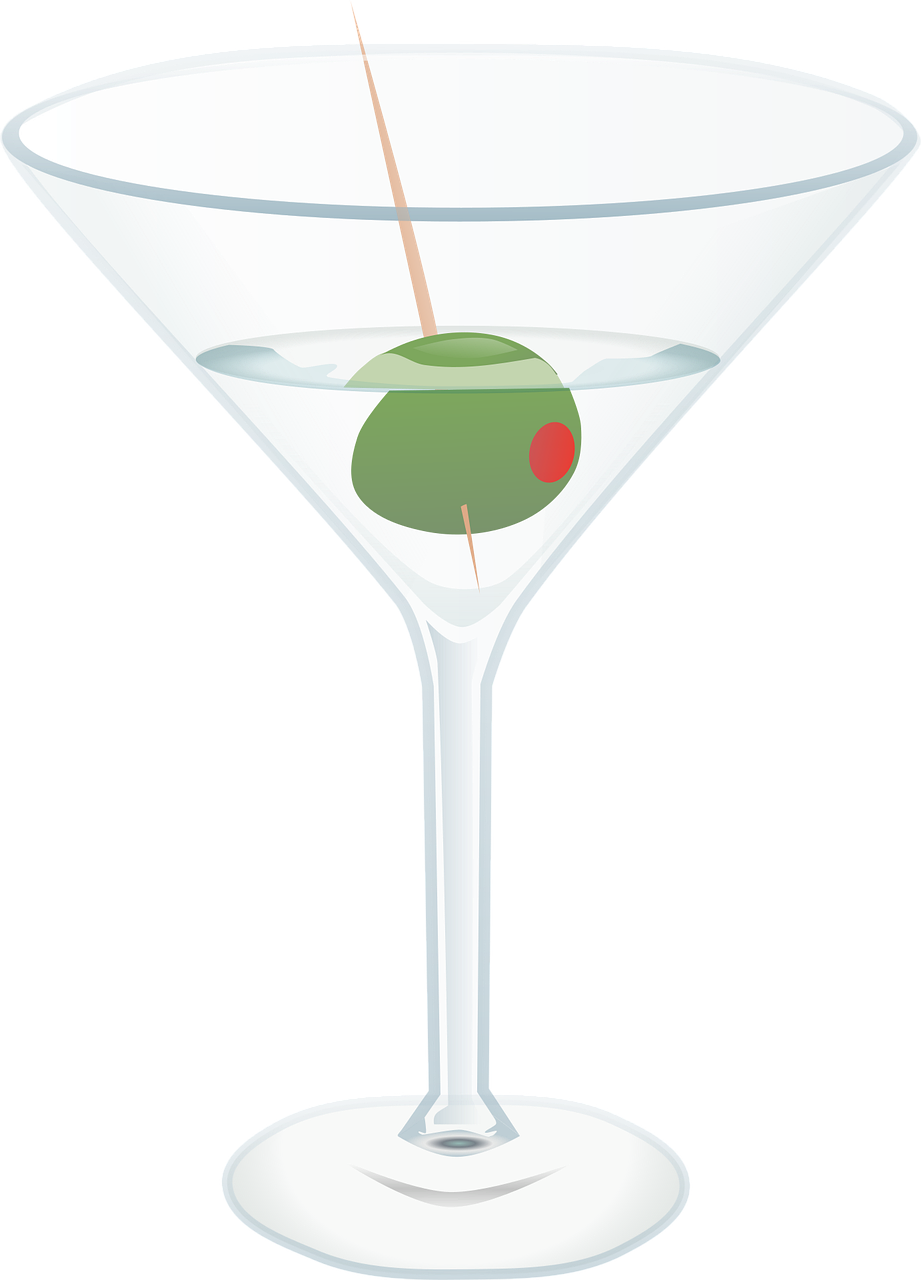
Compact hygiene product built for public environments
Where It Began
An everyday discomfort became a real product opportunity
Small observation. Clear human need. Better design response.
Back in the height of the pandemic, “sanitize everything” was practically the world’s slogan.
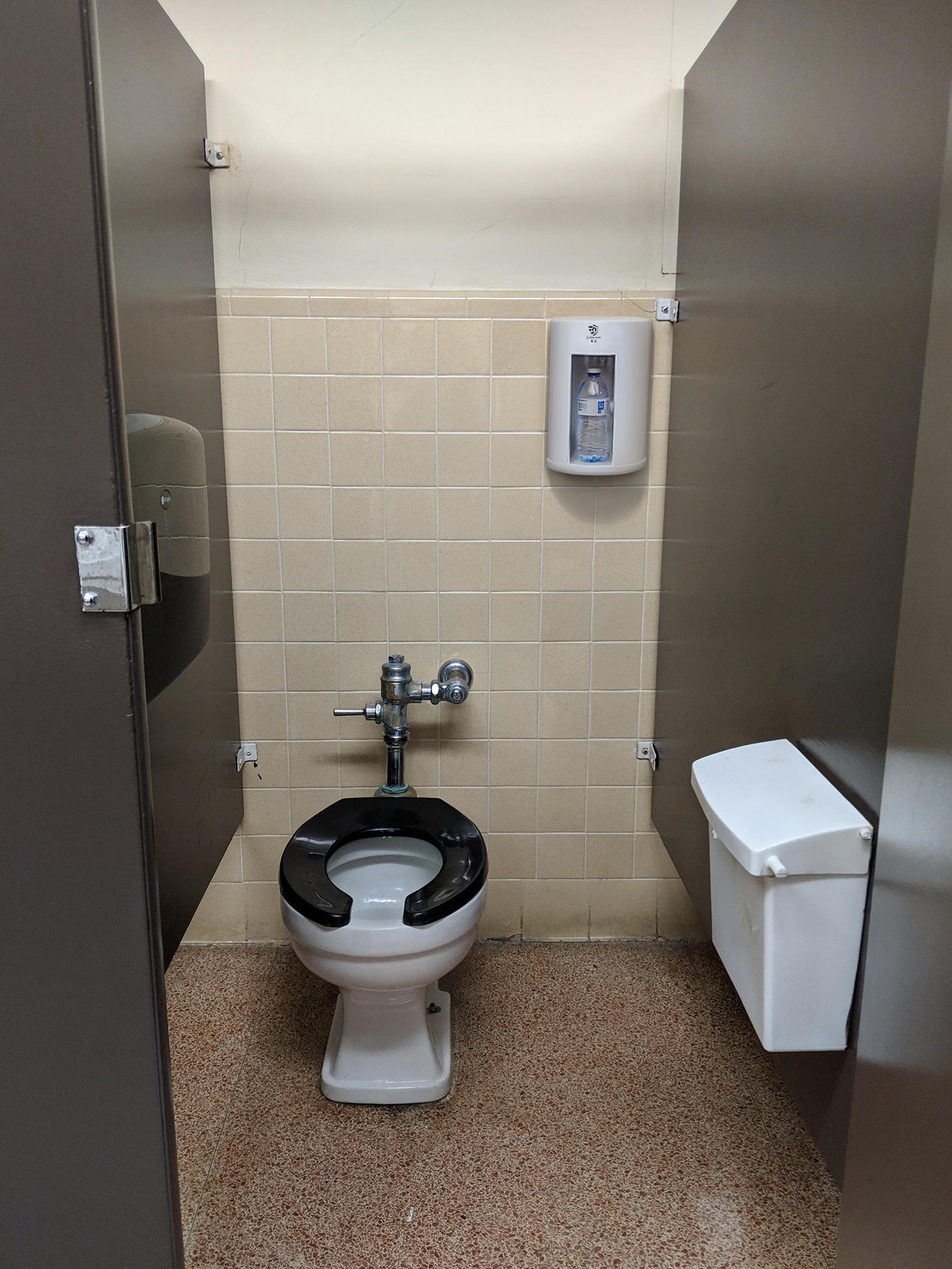
Amid that paranoia, a janitor named Kyieme noticed something strange: people — especially women — were bringing their drinks into public restrooms to avoid tampering. But once inside, there was nowhere clean to put them.
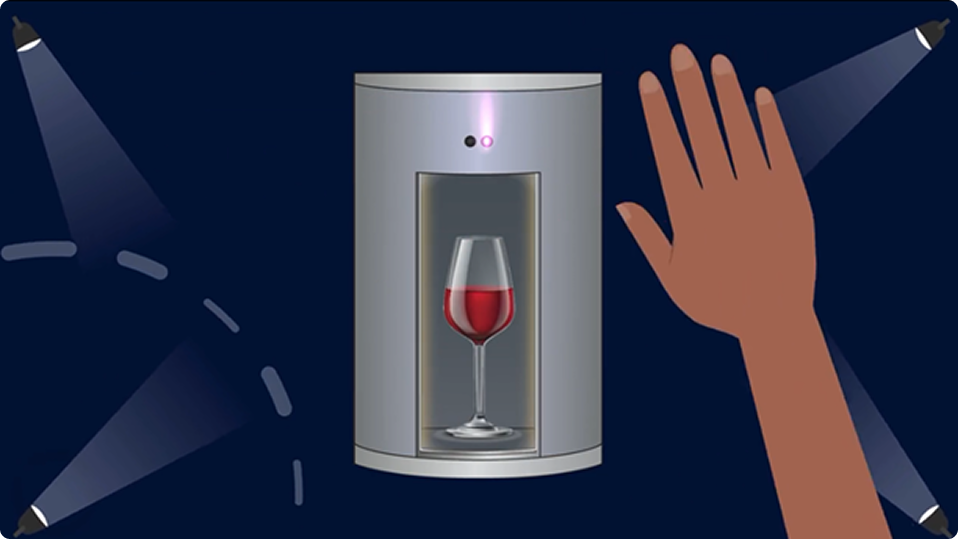
That insight sparked the UV Drink Locker: a small hygienic locker concept that uses UVC light to sterilize a drink in 30 seconds flat.
The Early Vision
Keep the original spark, but make it manufacturable, safe, and elegant
When Kyieme and his wife Jenna reached out, they didn’t bring a blueprint. They brought a problem and a lot of conviction.
Their first prototype looked like something between a toaster oven and a miniature art sculpture — odd, compelling, and full of promise.
Our role was to preserve that emotional spark while turning the concept into something a user could trust, a team could build, and a market could understand.
Engineering Clean Design
Simple interaction on the outside, disciplined systems work underneath
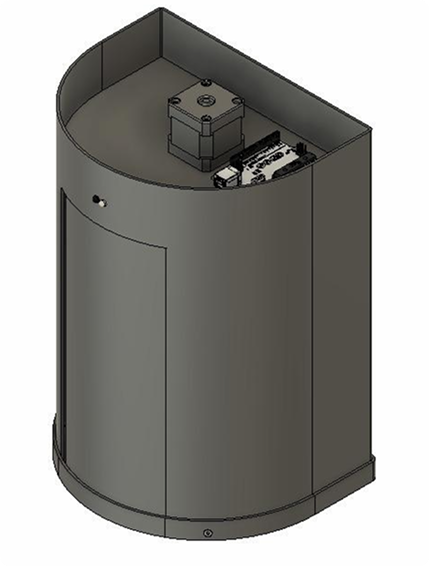
We started with the internals first, making the product feel effortless in use while doing the complicated work behind the scenes.
- Infrared sensors detect presence and open the lid hands-free.
- Servo controls deliver smooth, confident motion instead of robotic hesitation.
- UVC LEDs are tuned to the germ-killing wavelength without overexposure or ozone.
Each cycle was refined until the interaction felt obvious: open, place, sanitize, done.
Behind that calm experience were weeks of servo tuning, PCB debugging, and relentless iteration.
Design Evolution
Prototyping the impossible without losing the soul of the object
The shape was the hardest part. It wasn’t just a box and it wasn’t a cylinder. It lived somewhere between a home appliance and a sculpture.
We sculpted and resized dozens of CAD models until light, reflection, airflow, and usability began to work together instead of fight each other.
Compact, sleek, and intuitively touch-free became the design standard.
Funding & Team
From napkin sketch to funded startup
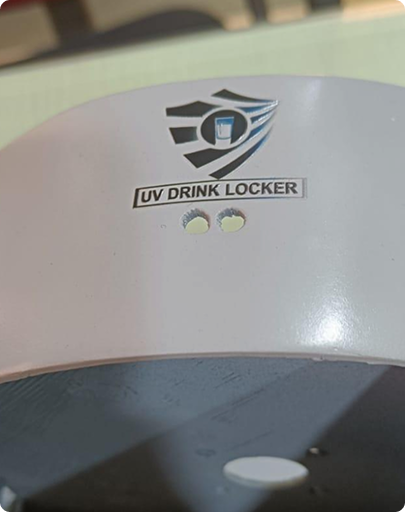
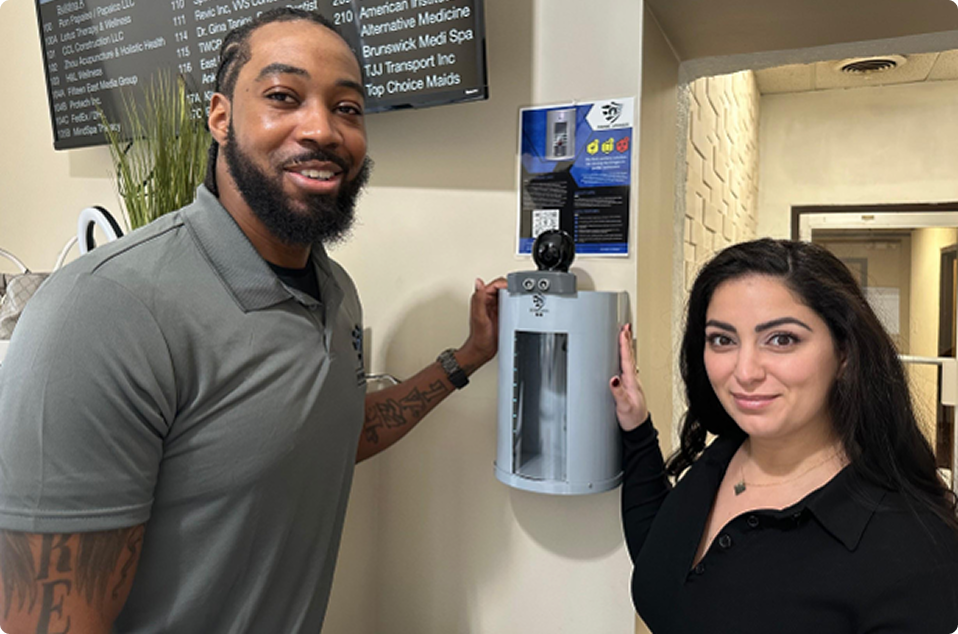
Once the prototype worked, Kyieme and Jenna pushed further. They secured a $40,000 grant from NJIT, ran UV simulations in ANSYS, and fine-tuned LED arrays for consistent sterilization.
This became more than a gadget. It proved that hygiene can be stylish — and that safety does not need to look sterile.
Ready for the World
From concept validation to real-world rollout
Today, the UVDL is gearing up for pilot manufacturing across bars, stadiums, and public restrooms.
The couple who started with duct tape and hope now run a funded, production-ready company.
For our team, the project reinforced why Twin Designs exists: to take small, heartfelt ideas and turn them into elegant working realities.
Safety can feel premium when the design is thoughtful enough.
What We Learned
Empathy can be the starting point of serious engineering
The UVDL story is about empathy meeting engineering. A janitor’s observation became a safety product that could protect countless people, and it all began with a question no one else thought to ask.
Innovation doesn’t always start in a lab. Sometimes, it starts with someone quietly paying attention to what others ignore.