
Case Study
Turnstile ECU — Rewriting the Entry Point
A system built to last a decade, not a fiscal quarter.
A local transit company needed a control unit that could survive nonstop use, voltage spikes, legacy hardware, and impatient crowds. We designed a rugged, modular ECU that keeps gates moving with less maintenance and more confidence.
“Make it last longer than the metal it’s bolted to.”
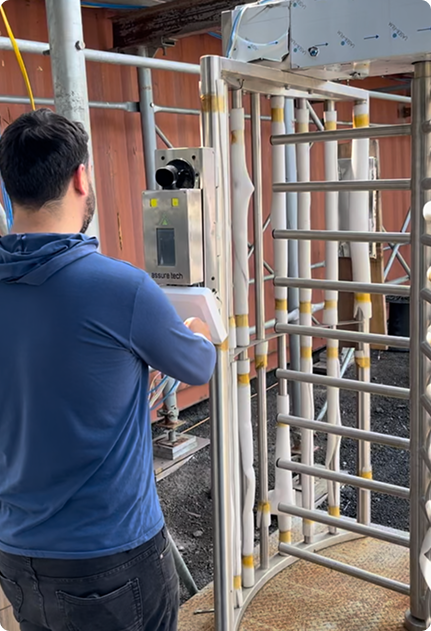
Designed for continuous public use
The Challenge
Industrial reliability in a public, chaotic environment
Turnstiles are deceptively complex. They absorb constant torque loads, electrical surges, and split-second timing events that must stay in sync with card readers, gates, and foot-traffic sensors.
Most ECUs fail because they are designed like consumer electronics instead of industrial systems. This one had to be field-serviceable, modular, and ready for future payment methods without forcing a full hardware reset.
If a board failed, the fix needed to take minutes, not a station shutdown.
Engineering the Heartbeat
A split architecture built for resilience

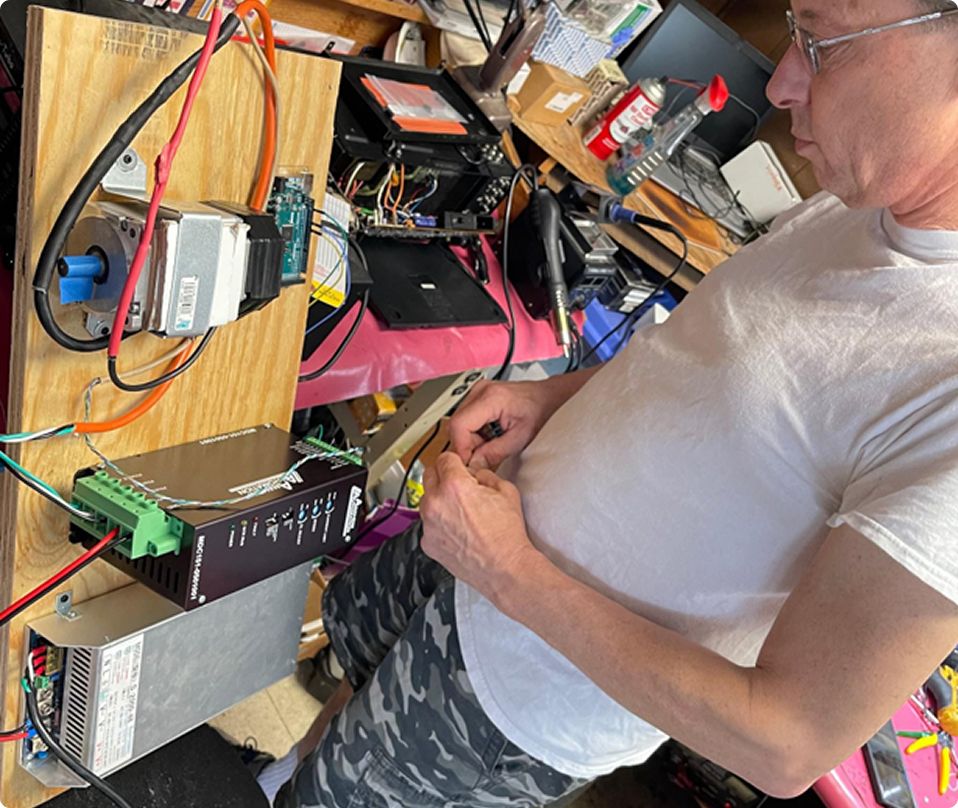
We built the system around a dual-core MCU architecture to separate critical real-time behavior from communications and interface work.
- Core A handled motor control, torque sensing, and timing loops.
- Core B handled I/O logic, payment input, and network communication.
- Redundant behavior allowed the system to safely cycle power or secure the gate when one side degraded.
The board also included high-tolerance MOSFET drivers for torque precision, modular power rails to isolate spikes, and conformal coating to withstand humidity and dust.
Human Factors
Designed for real technicians, not ideal conditions
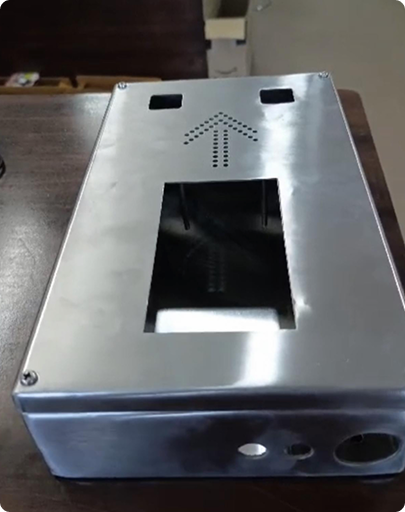
Inside the cabinet, the ECU had to be serviceable blindfolded. We mapped connectors by tactile position so a technician could replace modules with minimal tools and limited visibility.
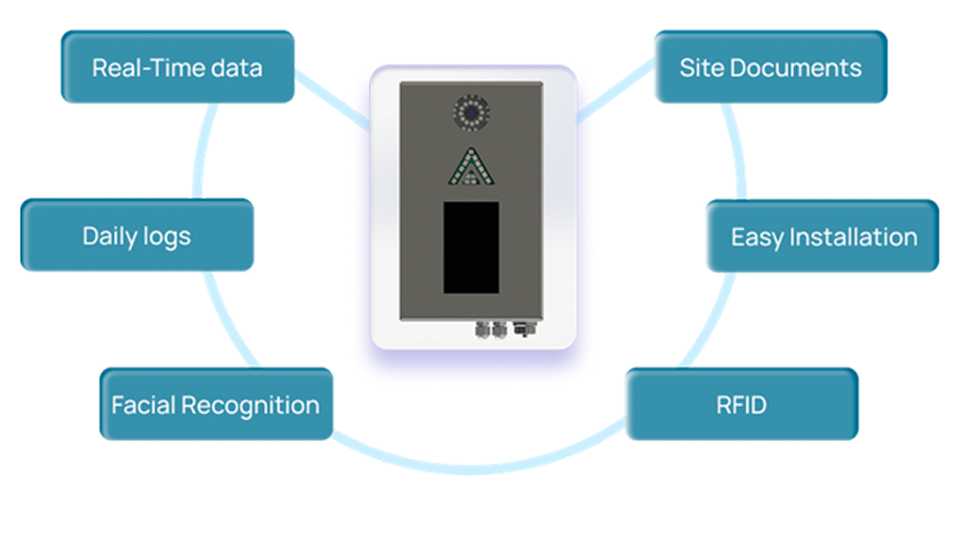
Diagnostic LEDs were grouped by error type: red for electrical faults, blue for network issues, and amber for mechanical events.
Industrial design meets human factors engineering.
Reliability
Testing the torture, not just the theory
We did not simulate stress. We inflicted it.
Voltage surges, temperature cycling, and continuous rotation ran for 45 straight days. The result was a board that completed 1.2 million gate cycles without failure. When the rig finally jammed, the limiting component was the bearing, not the ECU.
Integration & Deployment
Modern hardware that respected legacy systems
Once certified, the ECUs were deployed into legacy turnstiles without forcing a mechanical redesign. Backwards-compatible firmware let the client keep existing infrastructure while upgrading reliability and future payment readiness.
Within a month, the first units were live in a New Jersey transit hub, processing thousands of daily entries without error.
Outcome
Longevity became the product advantage
The Turnstile ECU reduced maintenance downtime by 68% and extended service life by more than five years compared with the previous generation.
The redesign cost was recouped in under a year. More importantly, it confirmed a principle that drives this work: when you build for durability, everything else gets easier to operate.
Longevity is design.
Reflection
Not everything earns beauty from the outside
This project redefined what product design means for us. Some products do not need a glossy surface to feel exceptional. Their beauty comes from precision, resilience, and trust.
We still think of this board as one of our most honest designs.