
Case Study
Sierra Blaster — Reengineering a 30-Year-Old Legend
When legacy hardware meets modern engineering discipline, something special happens.
Some products are born new. Others earn their reputation over decades. Sierra Blaster belonged to the second category — trusted in the field for more than 30 years, breaking rock, moving mountains, and getting real work done.
But underneath the reputation, time had caught up. The challenge was not to make it flashy. It was to modernize the system without breaking the trust that the market had already placed in it.
“The product worked — but it wasn’t ready for the future.”
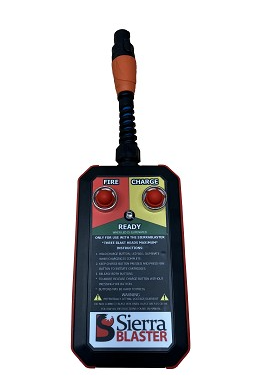
The Reality Check
Reinvention without breaking trust
This wasn’t a startup sketch with room for reckless experimentation. Sierra Blaster was already a proven, revenue-generating product with a loyal market and zero tolerance for mistakes.
Respect the legacy
Protect 30 years of field success and preserve the core behavior users already trusted.
Modernize the system
Upgrade electronics, safety, and repeatability without turning the product into something unfamiliar.
Prepare for scale
Move from intuition-heavy testing to a manufacturing-ready process with real control points.
Opening the Black Box
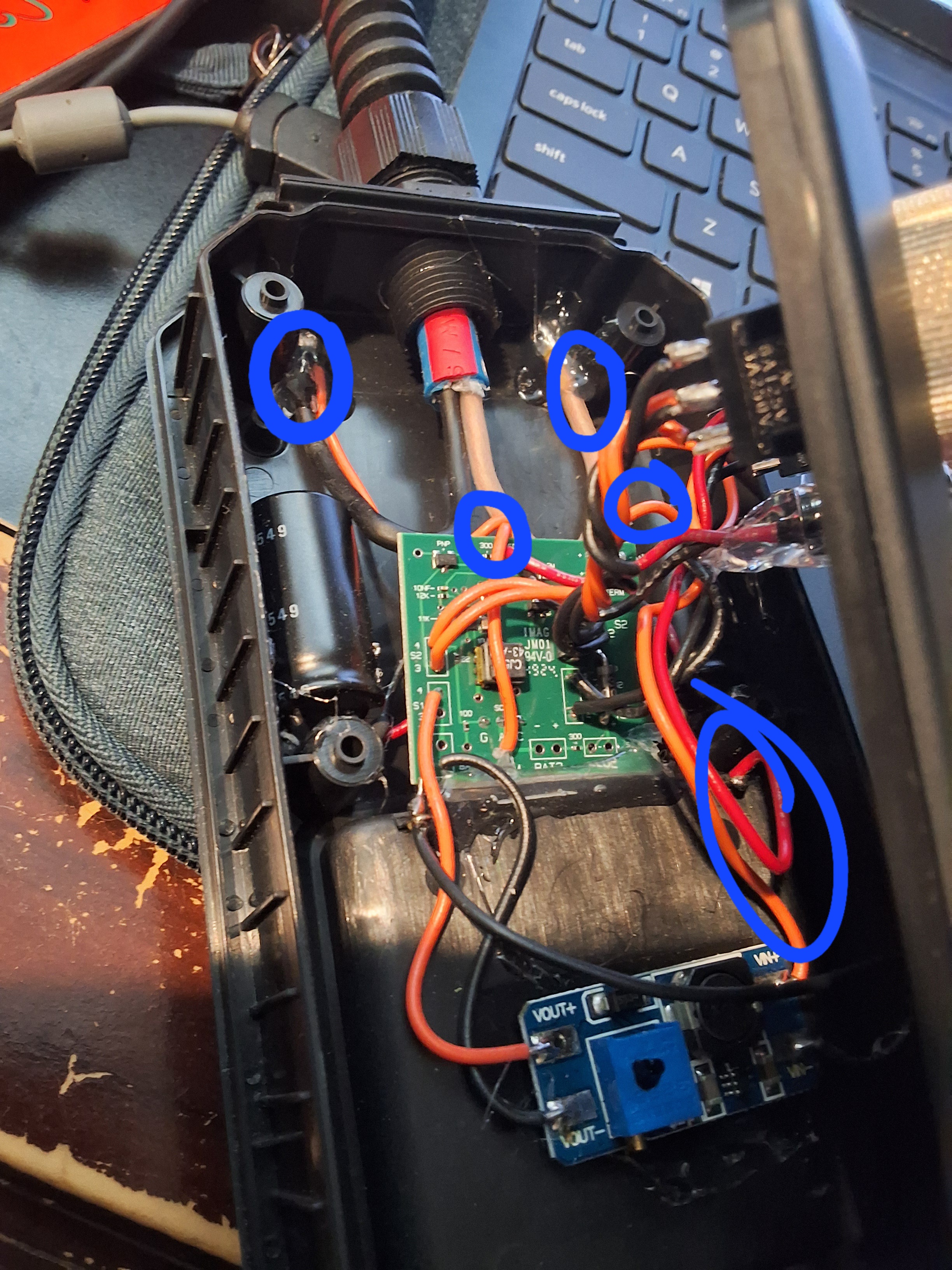
We tore everything down to understand what had never been documented
The first step was uncomfortable and necessary. Old PCBs, legacy wiring paths, and assumptions that had “always worked” were pulled apart and mapped from trigger to discharge.
We documented waveforms, tolerances, and edge cases that had never been formally captured before, replacing folklore with evidence.
What the teardown exposed
- Variability between units
- Aging component dependencies
- Test procedures relying on intuition instead of instrumentation
It wasn’t broken — but it wasn’t controlled.
Reengineering the Core
Modern electronics with the same functional intent
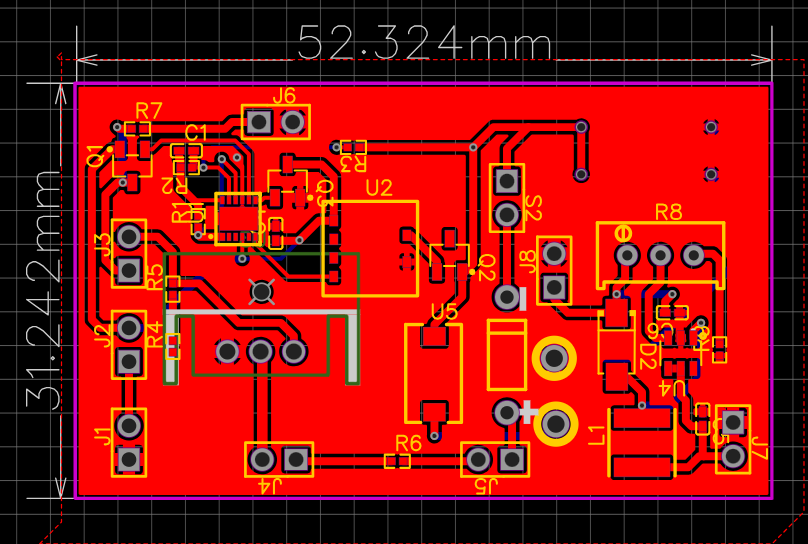
This is where engineering discipline took over. The PCB architecture was redesigned from the ground up while preserving the exact operational behavior that made the product dependable in the first place.
Availability
Modern component selection improved sourcing resilience and tightened tolerances.
Stability
Cleaner and more predictable discharge paths improved electrical consistency.
Repeatability
Layout decisions prioritized electrical stability and manufacturing repeatability.
Serviceability
Built-in test points made the board easier to validate in production, not just on a bench.
“Great engineering isn’t about starting from zero. It’s about knowing what not to break.”
Batches, Feedback, Iteration
Confidence was built one production loop at a time
We did not jump straight to mass production. We ran test batches, then smaller batches, then refined again. Each cycle tightened assembly, sourcing discipline, and final QC procedures.
Quality wasn’t declared — it was earned through reduced variance and more predictable output from run to run.
Every batch improved
- Assembly process control
- Component sourcing discipline
- Final QC procedures
- Confidence in repeatable output
The Testing Reset
The biggest transformation happened on the bench
Instead of asking only “does it fire,” the testing philosophy shifted toward controlled, measurable validation tied to real performance data.
Controlled batch testing
Test plans were standardized across runs instead of relying on experience alone.
Waveform validation
Each unit could be checked against repeatable waveform expectations.
Stress coverage
Operating ranges were challenged deliberately, not incidentally.
Pass/fail clarity
Quality stopped being subjective because the criteria were tied to numbers.

The Turning Point
The product didn’t just stabilize. It got better.
Field feedback improved, failures dropped, consistency increased, and the market responded. Today, the reengineered Sierra Blaster is moving fast — with confidence growing alongside every production run.
Stronger field feedback
Users experienced a more consistent product without losing the familiar behavior they trusted.
Lower failure rates
Test discipline and improved control reduced avoidable variability between units.
Faster market pull
The product is not sitting on a shelf. Orders are moving and confidence keeps compounding.
What This Project Proved
Legacy products can outperform new ones — if engineered correctly
Sierra Blaster did not need reinvention for reinvention’s sake. It needed respect, discipline, and modern execution. The result was a future-ready version of a trusted legend.
Real engineering shows up in consistency, not marketing.
The Takeaway
Future-proofing a legend required respect, not hype
This project turned a respected legacy product into a more controlled, more scalable, and more defensible system without stripping away the field trust that made it successful.
Legacy can still win
Older products can outperform newer ones when the engineering is disciplined and intentional.
QC is a mindset
Modern quality control is not a checkbox. It is a repeatable operating system for production.
Trust is fragile
Market confidence takes years to earn and only moments to lose, so changes must respect what already works.
Need to modernize an existing product?